Property Management Security Assessment Checklist for Ottawa Buildings
This property management security assessment checklist gives property managers, condominium boards, apartment building operators, and facility managers a practical way to review how a multi-tenant building is actually protected — across entrances, common areas, tenant and resident access, cameras, parking, parcel rooms, and alarm monitoring. It is written for residential and mixed-use buildings in Ottawa and across Eastern Ontario, where constant resident turnover, shared amenities, visitor traffic, and parcel deliveries create security gaps that are easy to miss until there is an incident. Use it as a self-audit before you bring in an integrator, or as a structured way to scope a formal review.
Family Security is a commercial and institutional security integrator serving Ottawa and Eastern Ontario, with field experience across apartment buildings, condominium corporations, and multi-tenant commercial properties. The checklist below reflects the same categories our technicians work through on site. For a deeper, compliance-focused review of a commercial office tower or landlord-tenant building, see our property management security review — this page is the practical, building-operator self-audit companion to it.
Why Property Management Security Assessments Matter
A multi-tenant building carries a different risk profile than a single-occupant facility. Dozens or hundreds of residents and tenants come and go, fobs and keys multiply with every move-in and move-out, common areas belong to everyone and no one, and a single propped door can expose every unit in the building. Most property losses are not dramatic break-ins — they are quiet failures: a stolen parcel, a fob that still works months after a resident moved out, a garage man-door wedged open, a camera pointed at a wall.
- Resident and tenant turnover creates constant access-control churn that rarely gets reconciled.
- Shared lobbies, mailrooms, amenities, and stairwells blur the line between public and secured space.
- Parcel and food deliveries put a steady stream of unknown visitors inside the building every day.
- Responsibility is split between the property manager, the condo board or landlord, and individual tenants.
- Insurers, condo boards, and prospective tenants increasingly ask for documented security measures.
Working through a structured checklist turns “the building feels secure” into a documented picture of what is covered, what is not, and what to prioritize. It also gives you a defensible record for the board, the insurer, and your own capital planning.
Building Entrances and Common Areas
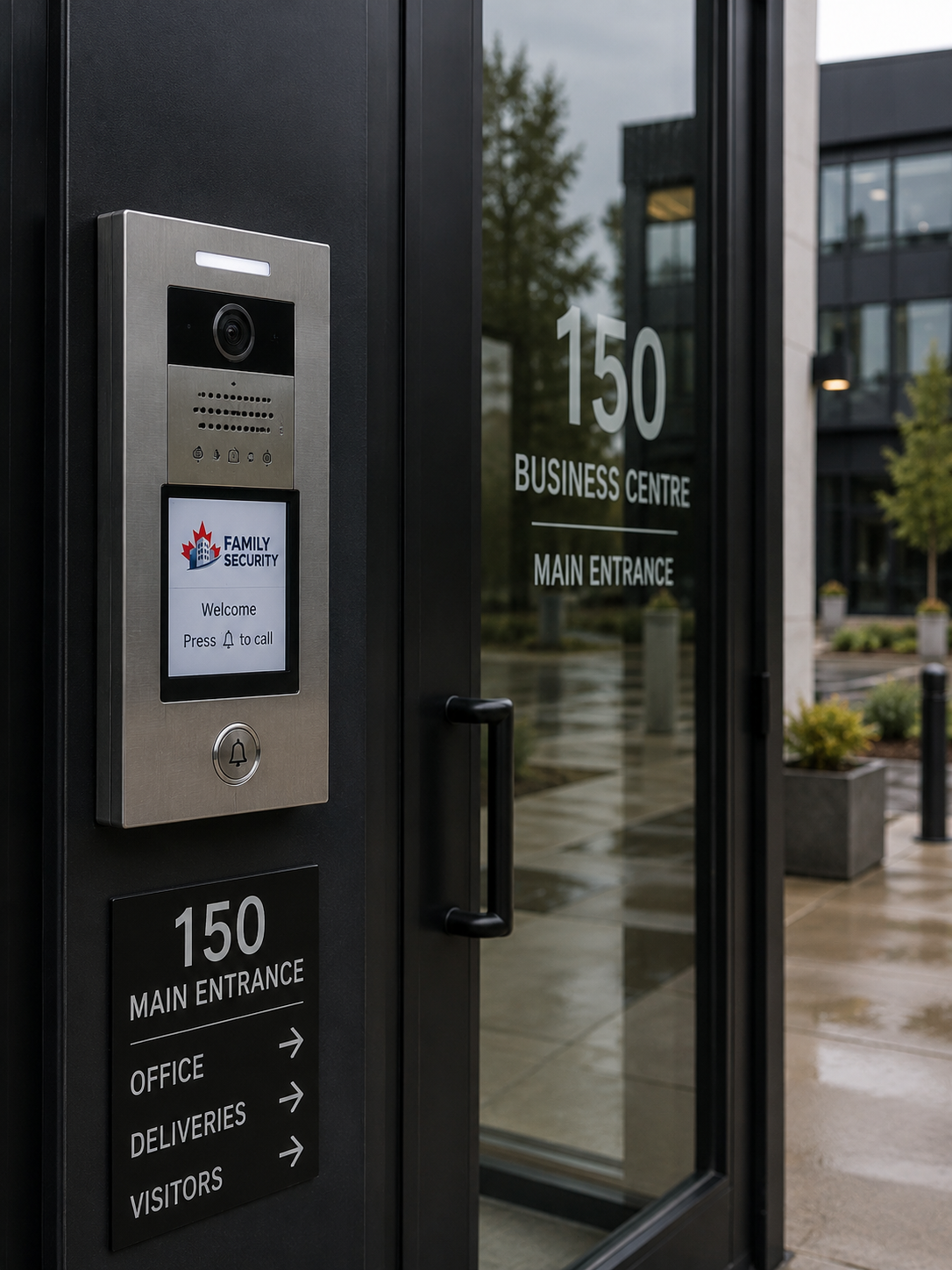
The main entrance, vestibule, and common areas are the building’s front line. The goal is to control who gets past the lobby and to document movement through shared space.
- Main entrance and vestibule doors self-close and latch fully — no doors that drift or can be pulled open.
- Intercom or call-box at the entrance is working, and the resident directory is current with no stale or vacant-unit listings.
- Lobby, mailroom, and amenity rooms (gym, party room, lounge) on the access system, not propped or left on a public latch.
- Stairwell and service doors secured and alarmed where they should not be used for everyday entry.
- Side, rear, and amenity-area doors held to the same standard as the front entrance — not treated as “convenience” exits.
- Lighting at every entrance, lobby, and common area adequate for both safety and usable camera footage.
Common issue: a side or amenity door propped open “for a minute” during move-ins, deliveries, or contractor work becomes an unmonitored entry that bypasses the entire front-door system. An outdated intercom directory is a close second — buzz codes still ring units that turned over months ago.
Tenant Access Control
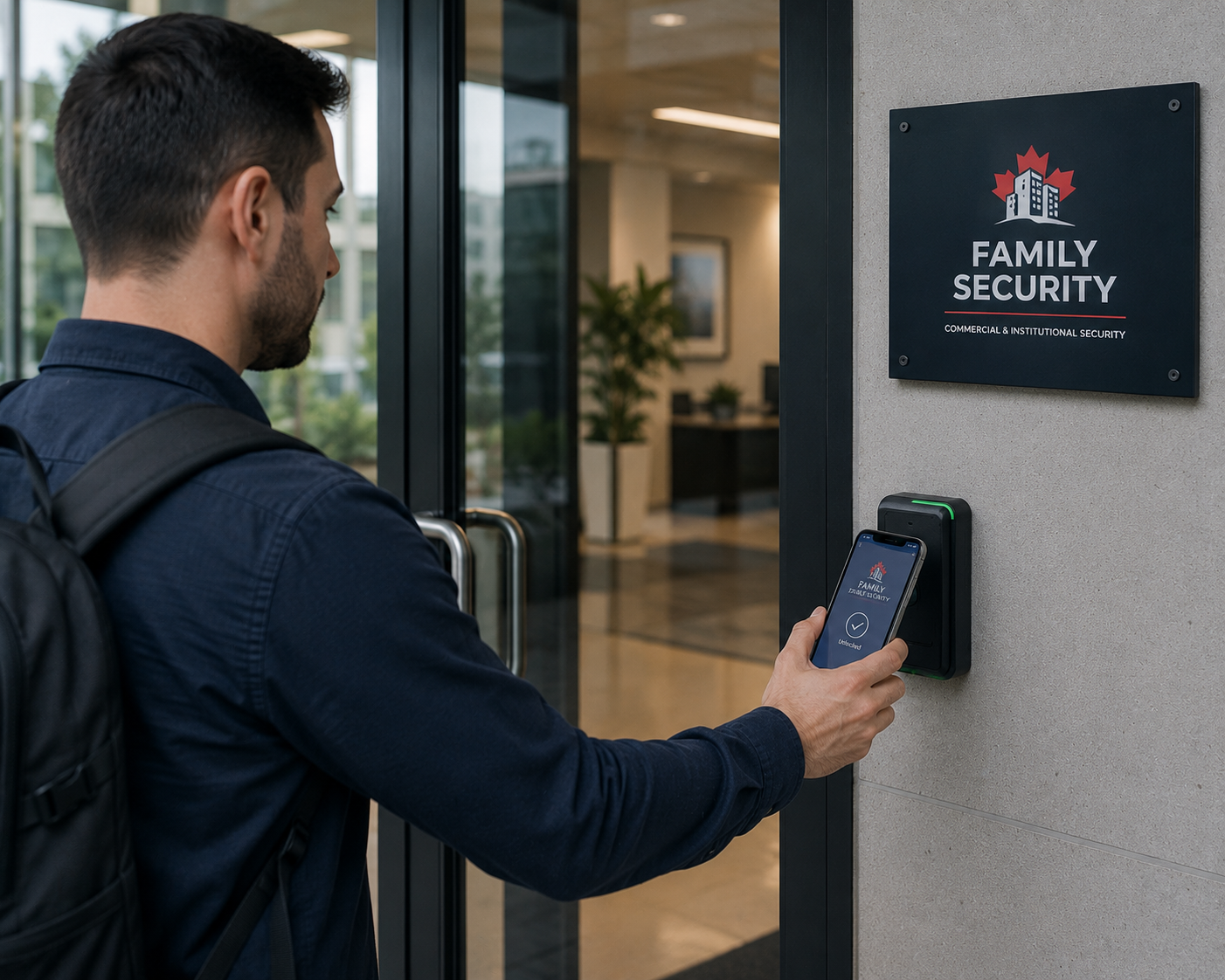
Keys and shared codes do not scale in a building with constant turnover. A commercial access control system records who entered, where, and when — and lets you deactivate a single fob the moment a resident or tenant moves out.
- Entrances, amenities, and tenant or suite doors on credential-based access control, not shared keys or master codes.
- Fob and credential database current — moved-out residents, former tenants, and dormant fobs deactivated.
- Access levels scoped so a resident’s fob opens their entrance, floor, and amenities — not mechanical, electrical, or other tenants’ areas.
- Move-in and move-out process that issues and revokes credentials on the same day, with a written record.
- Lost or stolen fobs deactivated immediately, and the count of active fobs reconciled against actual occupancy.
- Door hardware healthy: closers, strikes, request-to-exit devices, and door-held-open alerts all working.
Common issue: fob lists drift. In buildings with steady turnover it is routine to find active credentials belonging to people who moved out long ago — and a stack of “spare” fobs no one can fully account for. Every un-reconciled move-out widens the gap.
Visitor and Contractor Management
A residential or mixed-use building has a constant flow of people who are not residents: guests, trades, cleaners, real-estate showings, and delivery drivers. Each needs a way in that does not quietly become permanent access.
- A documented visitor process — intercom buzz-in, concierge sign-in, or temporary credential — rather than shared entry codes.
- Contractor and vendor access scoped and time-limited, with escort rules for mechanical, electrical, and roof areas.
- No permanent fobs issued to cleaners, trades, or property-management vendors without a tracked owner and review date.
- Real-estate, moving, and showing access coordinated through the office, not left to unit-owner discretion at the front door.
- Temporary credentials set to expire automatically, and the active list reviewed so old “guest” or “trade” fobs are removed.
Common issue: a permanent fob handed to a cleaning company or contractor years ago, still active, still un-owned. Shared buzz-in codes that “everyone knows” defeat the visitor process entirely.
Security Camera Coverage
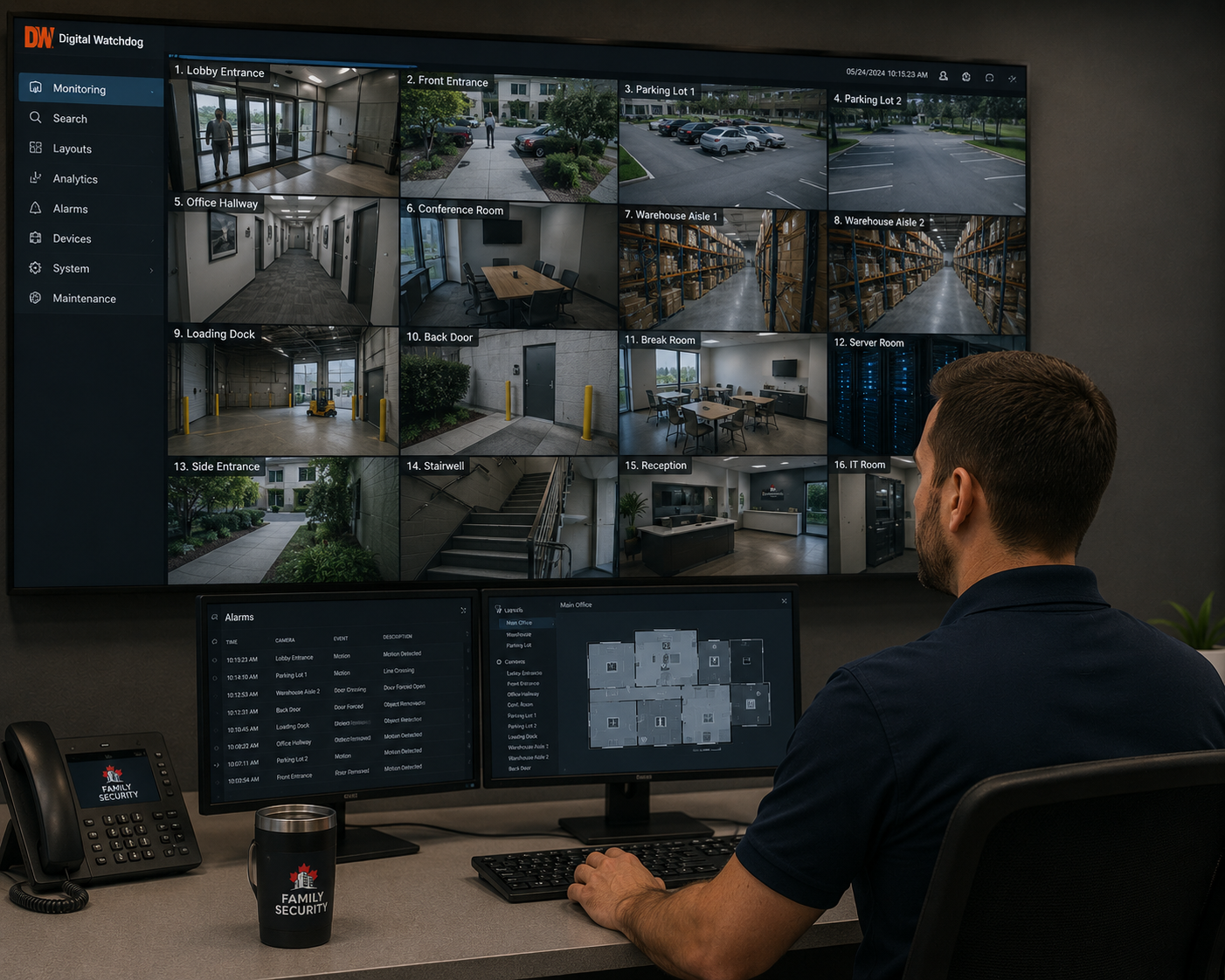
Cameras are only useful if they cover the right zones, record reliably, and produce usable images. A well-designed security camera system follows the flow of residents, visitors, and deliveries through the building.
- Coverage at every entrance, lobby, mailroom and parcel area, elevator, and amenity room.
- Identification-grade angles at choke points — a usable face shot at the front door and elevator, not a ceiling-down overview.
- Parking, garage entries, and exterior approaches covered, including stairwell doors leading in from the garage.
- Recorder health verified: every camera streaming and writing, with retention meeting your documented, defensible window.
- Camera positions re-checked after renovations, amenity changes, or new parcel-room installations.
- NDAA Section 889 reviewed for buildings with government-adjacent or regulated tenants — see NDAA-compliant security systems.
Common issue: the mailroom and elevator — two of the highest-incident areas in a residential building — are frequently the worst-covered. The other recurring finding is a recorder quietly out of storage, overwriting footage faster than the retention policy assumes, discovered only when someone needs an incident that is already gone.
Parking Garage and Exterior Security
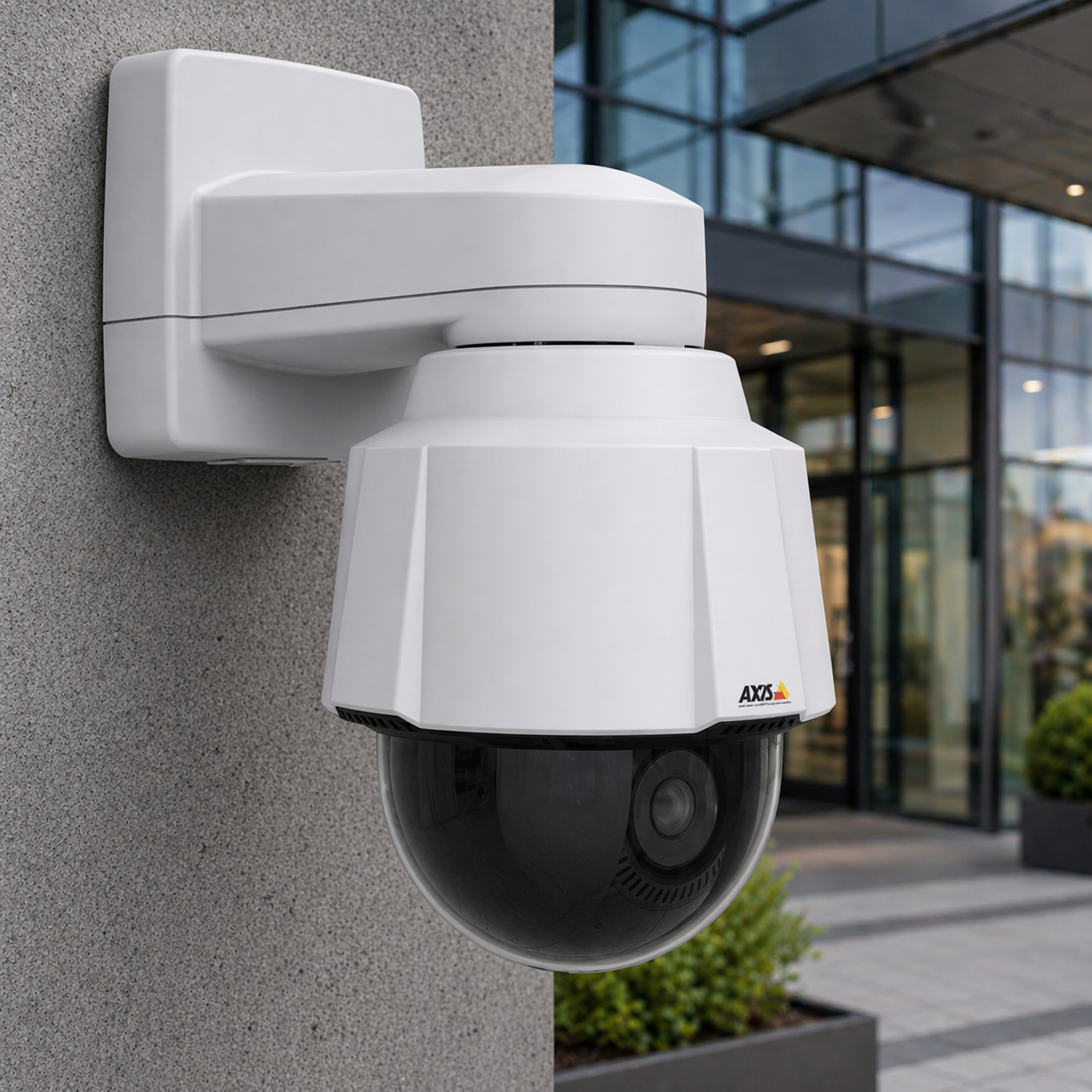
Parking garages and exterior areas are where outsiders most often gain a foothold. A vehicle tailgating through a garage gate, or a propped stairwell door from the garage, bypasses every control at the front entrance.
- Garage vehicle gates and overhead doors controlled, with credentials revoked under the same discipline as building fobs.
- Garage-to-building man-doors and stairwell doors secured, alarmed where appropriate, and on camera.
- Exterior and garage lighting covers parking, ramps, entries, and the full building line — no dark zones.
- Visitor parking, EV charging areas, and bike rooms included in the access and surveillance plan.
- Landscaping, snow piles, and stored materials kept clear of cameras, doors, and sightlines through the seasons.
- Signage indicating monitored premises posted at garage and exterior approaches.
Common issue: garage tailgating — a second vehicle slipping in behind a resident before the gate closes — paired with an unsecured stairwell door, is the single most common way outsiders reach the residential floors. In Ottawa’s winter, a door that no longer latches because of ice or a worn closer turns into a permanent open entry.
Parcel and Delivery Security
Parcel theft is now one of the most frequent security complaints in multi-tenant buildings. Deliveries arrive all day, often into a lobby or mailroom that was never designed to hold them securely.
- A defined, secured location for parcels — a controlled-access parcel room, smart lockers, or a concierge-held process — not an open lobby pile.
- Camera coverage of the parcel area with an identification-grade angle on anyone removing a package.
- Delivery-driver access controlled — buzzed in and directed to a drop point, not given a shared code or open door.
- Mailbox banks intact and secure, with damaged or forced boxes repaired promptly.
- A clear process for residents to report missing parcels, so patterns are caught early instead of anecdotally.
Common issue: an open lobby parcel area with no dedicated camera angle. Packages disappear, residents complain, and there is no usable footage of who took them — turning a solvable problem into a recurring one.
Alarm Systems and Monitoring
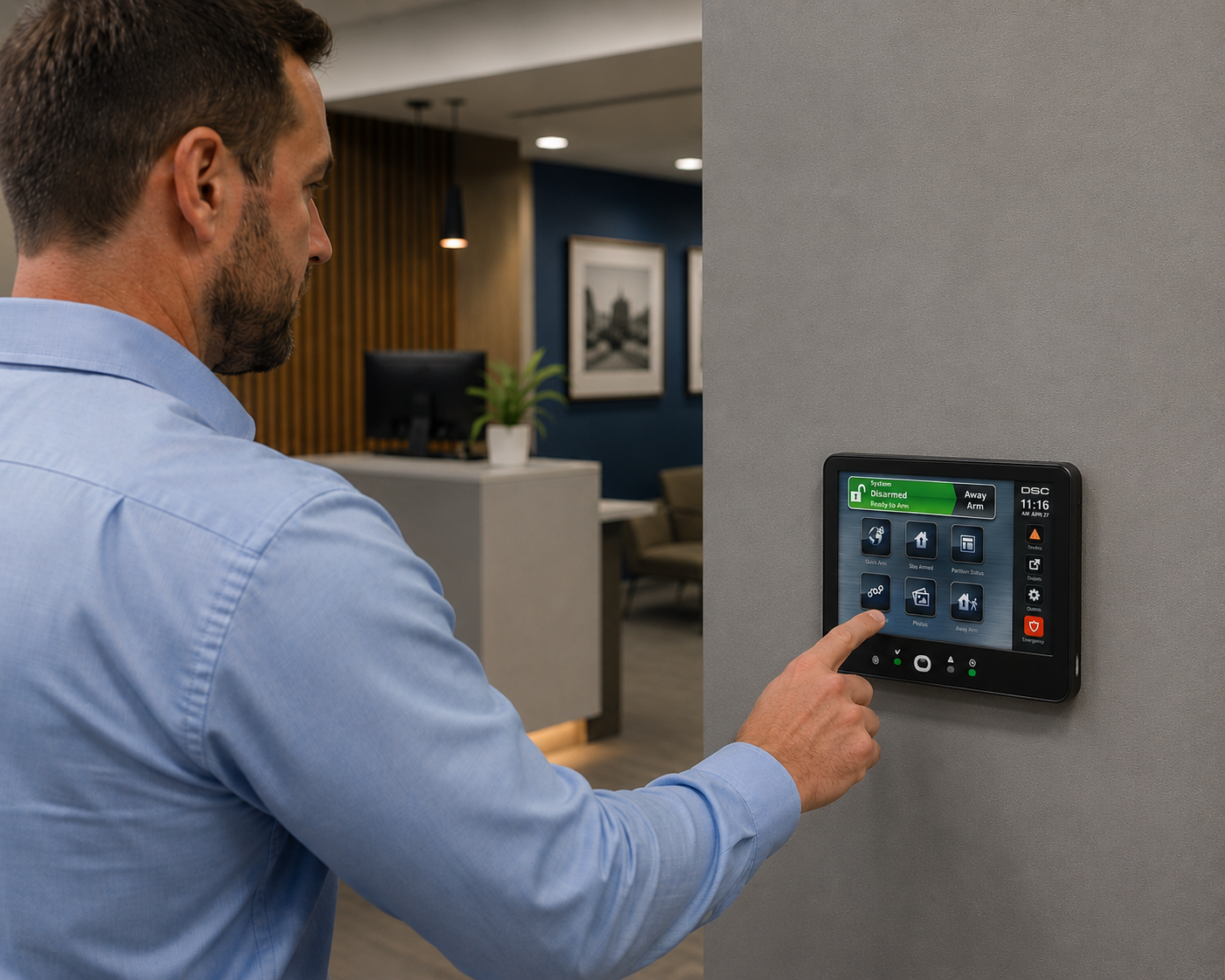
Intrusion alarms cover the hours when common areas are empty and protect rooms that cameras cannot watch continuously. Professional security monitoring turns an alarm event into an actual response.
- Intrusion protection on mechanical, electrical, telecom, storage, and amenity rooms that should be empty after hours.
- Monitored communication path with supervised connectivity and cellular failover, not a single phone line.
- Current key-holder and response-call list on file with the monitoring station, kept up to date as staff change.
- Arming schedules aligned to real amenity and common-area hours, including seasonal and weekend use.
- Alarm history reviewed — chronic false alarms and bypassed zones investigated, not left permanently disarmed.
- Integration between alarms, access control, and cameras so an event can be reconstructed across all three.
Common issue: an amenity or storage room that false-alarms gets bypassed “temporarily,” and the bypass becomes permanent — leaving a vulnerable room unprotected while the monitoring contract still bills for it.
Multi-Tenant Security Challenges
The hardest part of property management security is not any single door — it is the overlapping responsibility and constant churn that no single party fully owns. A good assessment names these challenges so they can be managed instead of quietly absorbed.
- Responsibility split between property manager, condo board or landlord, and individual tenants — every door sits on one of those lines.
- Fob and credential churn that outpaces any manual tracking without a disciplined move-in/move-out process.
- Mixed-use buildings where ground-floor commercial tenants and upper-floor residents need different access and hours.
- Privacy expectations of residents balanced against the building’s need for camera coverage in common areas.
- Aging equipment inherited from a previous manager or developer, with no documented record of what is installed.
- A single accountable owner for the security system — not three vendors with overlapping scope and no master plan.
Naming who owns each control is half the work. A documented assessment gives the board, manager, and tenants one shared picture instead of three partial ones.
Common Issues Found During Property Assessments
Across apartment buildings, condominium corporations, and mixed-use properties in Ottawa and Eastern Ontario, the same patterns recur. The list below is what an assessment typically writes up after the walkthrough.
- Active fobs belonging to residents, tenants, or vendors who left long ago.
- Side, amenity, or garage doors propped or no longer latching, bypassing the front-door system.
- Open lobby parcel areas with no dedicated, identification-grade camera angle.
- Mailroom and elevator camera gaps — high-incident areas left poorly covered.
- Garage tailgating paired with an unsecured stairwell door into the residential floors.
- Outdated intercom or buzz-in directories ringing units that have turned over.
- Permanent fobs issued to cleaners or contractors with no tracked owner or review date.
- Retention windows shorter than what the board or insurer would expect after an incident.
- Inherited equipment with no documented record of make, model, or firmware.
These are the same categories of findings we document across building types — see what our security assessments find in the field, and the parallel warehouse security assessment checklist and retail security assessment checklist for other commercial sectors. The pattern is consistent: the equipment is largely in place, but coverage and access have drifted away from how the building is actually used.
SiteScope Property Management Assessment Process
SiteScope is the structured on-site assessment process our technicians follow. For a property management building, we work through the same categories in this checklist on your actual property, document what we find, and deliver a prioritized plan — not a sales quote for equipment you may not need.
- An on-site walkthrough of entrances, common areas, parking, parcel and mail areas, amenities, and mechanical rooms.
- A review of access control, camera coverage, alarms, and monitoring against how the building actually operates.
- A documented Technician Review Note: what is in place, what is missing, what is drifting, and the priority order to fix it.
- A scoped path to close the gaps through commercial security systems work, where it is warranted.
- A lifecycle view that connects to ongoing security maintenance auditing so the posture holds over time.
The deliverable is a record a property manager can hand to the board, the landlord, the insurer, or an incoming tenant — in language they can act on.
Request a Security Assessment
Family Security performs on-site property management security assessments across Ottawa and Eastern Ontario — for apartment buildings, condominium corporations, and multi-tenant commercial properties. We work through the same categories in this checklist on your actual building, document what we find, and deliver a prioritized plan covering access control, cameras, parking, parcel security, alarms, and monitoring. The result is a defensible picture of your current posture you can take straight to the board or insurer.